
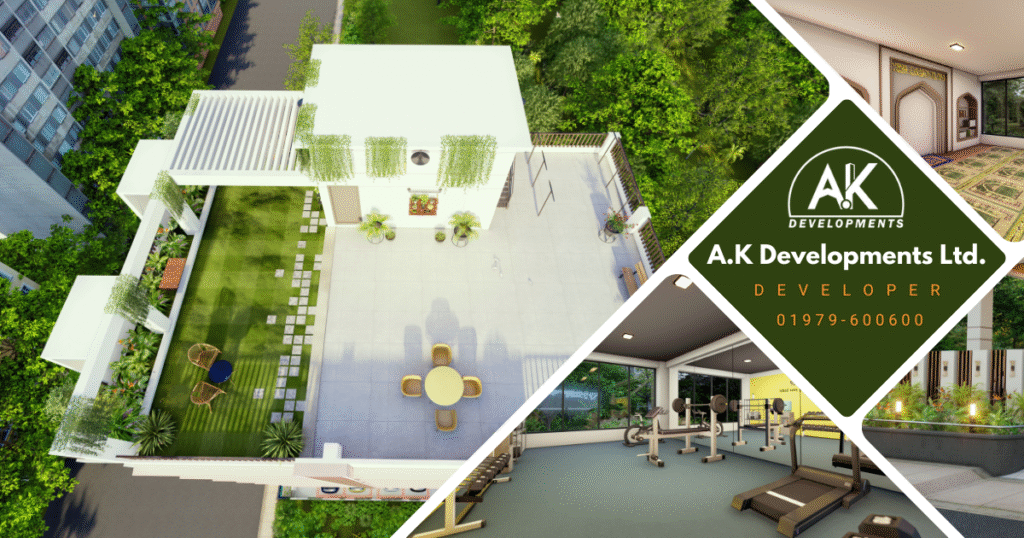
Jalshiri Abason is one of Dhaka’s most organized residential zones, located in the Purbachal area and developed under military supervision. The area is planned with wide roads, modern utilities, and a quiet living environment—making it a preferred choice for families looking for long-term housing within Dhaka city.
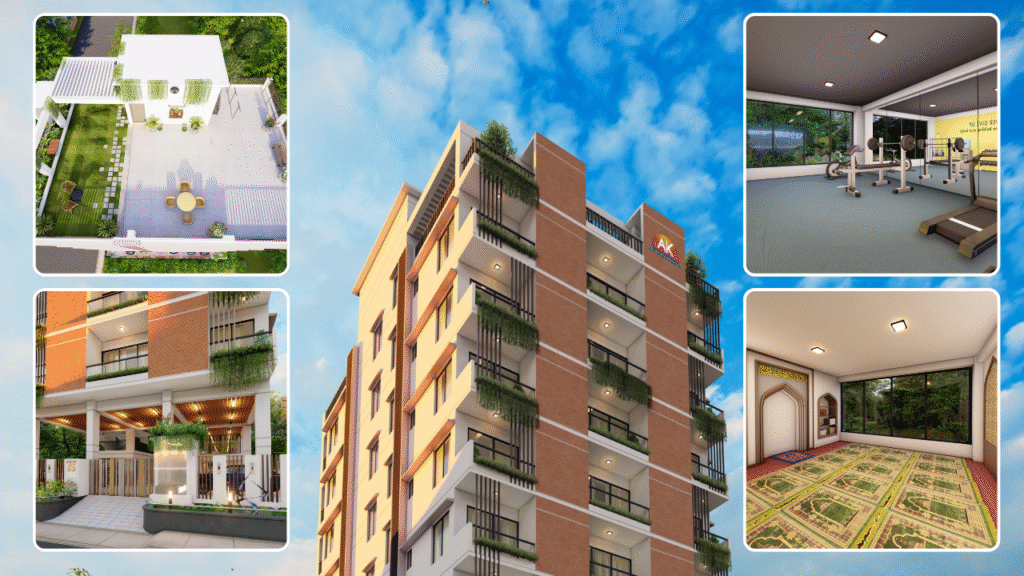
Why Jalshiri Abason is Becoming a Popular Choice
1. Planned Housing Environment
The entire area is divided into specific sectors with well-structured layouts. Roads, footpaths, drainage systems, and plot arrangements follow a modern zoning plan, which many buyers find appealing.
2. Good Connectivity
The project connects with 300 Feet Highway (Pragati Sarani Extension), Purbachal New Town, and Bashundhara. This makes daily commuting convenient for those working in Dhaka North.
3. Strong Security & Community Environment
Since the locality is supervised by military authorities, security, maintenance, and construction guidelines are typically more controlled and regulated.
4. Availability of Different-Sized Flats
Buyers can find various apartment sizes—typically ranging from 1,200 sq ft to 3,000+ sq ft—depending on the sector and building type. Many flats offer south-facing layouts, open ventilation, and modern building features.
5. Long-Term Investment Potential
Due to planned growth and increasing demand, Jalshiri Abason is often considered a stable location for long-term property investment, especially for families looking for an organized residential zone.
Current Trends in Apartment Construction in Jalshiri
- Many new buildings follow earthquake-resistant design guidelines.
- Developers focus on ventilation, daylight, and open spaces due to the wide road networks.
- Buyers prefer single-unit floors and south-facing apartments for better airflow.
Suggested Project: AK Red Rose (Non-Promotional Overview)
If someone is looking for an apartment option within Jalshiri Abason, the AK Red Rose project can be considered as one of the ongoing developments in the area. It offers a modern residential structure located within the planned zones of Jalshiri. Buyers can explore details such as unit size, building features, construction progress, and compliance with local guidelines to understand whether it fits their requirements.
Tips for Buyers Considering a Flat in Jalshiri Abason
- Check land & RAJUK approval of the building.
- Verify construction progress and materials used.
- Ask for floor plan, especially ventilation and sunlight direction.
- Review handover timeline and building management plan.
- Visit the site physically to understand the environment and road connectivity.
If you want, I can also create:
✓ A blog-style article for your website
✓ A short Facebook caption
✓ A Google-friendly description for the AK Red Rose project
✓ A Q&A section for SEO
1) What and where is Jalshiri Abashon?
- Administrative and development context:
According to public information, Jolshiri Abashon is a residential area developed by the Jolshiri Abashon corporation, linked to the Army Officers Housing Scheme. It is located in Rupganj Upazila, Narayanganj District rather than central Dhaka. Wikipedia - Relative location and connectivity:
Independent mapping and plan materials show the area’s adjacency to major planned or existing roads: Madani Avenue and several wide feeder or connecting roads (e.g., 100–150 ft wide roads noted in planning references). This suggests strategic routing toward larger corridors and neighboring developments. banbizconstruction.com
The same plan source references proximity to Purbachal—for instance, roughly 1.8 km from a Purbachal corridor and other nearby landmarks, implying relatively short distances between Jalshiri and Purbachal nodes. banbizconstruction.com
Another notation relates to the US Embassy being approximately 6 km from Jalshiri, again underlining the area’s connection to key city points. banbizconstruction.com - Road improvements and infrastructure works:
A government Local Government Engineering Department (LGED) project page lists completed widening, improvement, and bridge works on routes connecting Rupganj and Jalshiri Abashon, with several projects marked complete by 2022–2023. This signals official investment in access roads serving the area. LGED
Takeaway: Jalshiri Abashon is a planned residential zone outside core Dhaka, with noted road works and proximity to major corridors such as Purbachal. Buyers should treat it as a suburban or peri-urban market with growing connectivity.
2) Who might seek apartments here?
Practical, non‑promotional use cases include:
- Residents wanting more space or quieter surroundings than dense inner-city neighborhoods, yet still reachable from major urban areas.
- Families or buyers who expect longer‑term development of infrastructure, schools, clinics, and retail over coming years.
- Investors or buyers interested in areas where road and access works are underway rather than already fully saturated markets.
- People comparing relative distance and commute tradeoffs between Purbachal, Bashundhara, or other new‑town sectors.
3) Common types of flat projects you may encounter
Exact offerings vary by developer, but in similar developing zones around Dhaka, typical patterns often include:
- Unit sizes:
From smaller units for compact families up to large single‑unit apartments. Sizes can span roughly 1,000–3,000+ sq ft depending on building type, number of bedrooms, and whether a project is single‑unit or multi‑unit per floor. - Building mixes and layouts:
Mixed low to mid‑rise, often with several floors plus amenities such as lifts, parking, or rooftop utilities. Buildings may be framed for multi‑family occupancy and often present several layout options per floor. - Potential site orientation:
Some projects emphasize particular orientation or road frontage to maximize daylight, ventilation, or views, especially along wider roads—common design priorities in planned residential areas.
Because the area is still evolving, expect variation in how fully amenities and community facilities are delivered by each project or sector.
4) Practical checklist before considering a purchase
To ensure a safe, informed decision—especially in a developing or peri‑urban residential zone—verify the following carefully:
A) Legal, approvals, and documentation
- Ownership and title: Confirm clear title or developer’s right to sell, and whether the plot or building was procured and approved properly.
- Plan and approval status: Seek evidence of approved layout plans, building permissions, and any government or local authority clearances.
- Mutation or registration readiness: Understand what documentation is required for final registration, transfer, and taxes once a unit is purchased.
B) Road access and transport
- Exact road widths and condition: Check the specific road serving the building, whether it is among the 100–150 ft corridors or a smaller feeder, and whether it is paved, widened, or under construction.
- Connectivity to main arteries: Gauge travel times to Madani Avenue, Purbachal corridors, or other major routes during peak hours.
- Future road works near your sector: Ask for updates on any scheduled widening or connecting roads, especially those officially listed by government agencies.
C) Construction quality and structure
- Materials and structural design: Seek details such as RCC frame, quality of cement, steel, and workmanship standards. For a new project, also ask for inspection reports or third‑party assessments if available.
- Safety measures: Fire exits, staircases, lift safety, drainage, and proper utilities layout. Confirm these align with official building codes and approved plan details.
- Builder track record: Request references of completed projects, even outside the area, to understand delivery timelines, defect handling, and maintenance experiences.
D) Utilities, services, and ongoing costs
- Water supply, electricity, and backup: Confirm capacity, source type, backup generators, and whether connections are already established or pending in your building or sector.
- Gas or alternative cooking fuel: If gas connections are part of the plan, verify status, approval, or any anticipated delays.
- Maintenance and service charges: Understand routine fees, responsibility for common area upkeep, and whether there is a formal management committee or association.
E) Neighborhood and surroundings
- Adjacent land use: Check nearby vacant land, future commercial blocks, schools, markets, or public facilities—and whether these are already built or planned.
- Noise, flood risk, or environmental factors: Inspect the site during wet season or high traffic days if possible; confirm whether drainage systems are planned or installed, and whether any flood control measures exist for the sector.
- Community services: Evaluate distance to grocery shops, health clinics, schools, and public transit or ride services. A developing area may not have full services immediately, so understand what exists now vs. what will arrive later.
F) Pricing and payment structure
- Clear price breakdown: Unit price, parking charges, utility deposits, VAT or taxes, registration fees, and any service charges.
- Installments or down payment: If offered, verify schedule, penalties, or changes if construction delays occur.
- Market comparison: Compare the same type and size of unit across multiple sectors or buildings in Jalshiri as well as nearby areas like Purbachal to see if pricing fairly reflects location, road access, and construction stage.
5) How to use this information without promotional bias
- Always verify facts from official or publicly documented sources—for example, government project updates or approved layout and road width plans—rather than solely relying on marketing claims from any single developer.
- Do a site visit with the checklist above, focusing on road access, documentation, and construction quality rather than only aesthetics or sales pitches.
- Involve professionals: A local legal advisor or an independent structural engineer can help check documents, confirm approvals, and assess structural preparedness before signing anything.